Content Credentials and C2PA, Explained
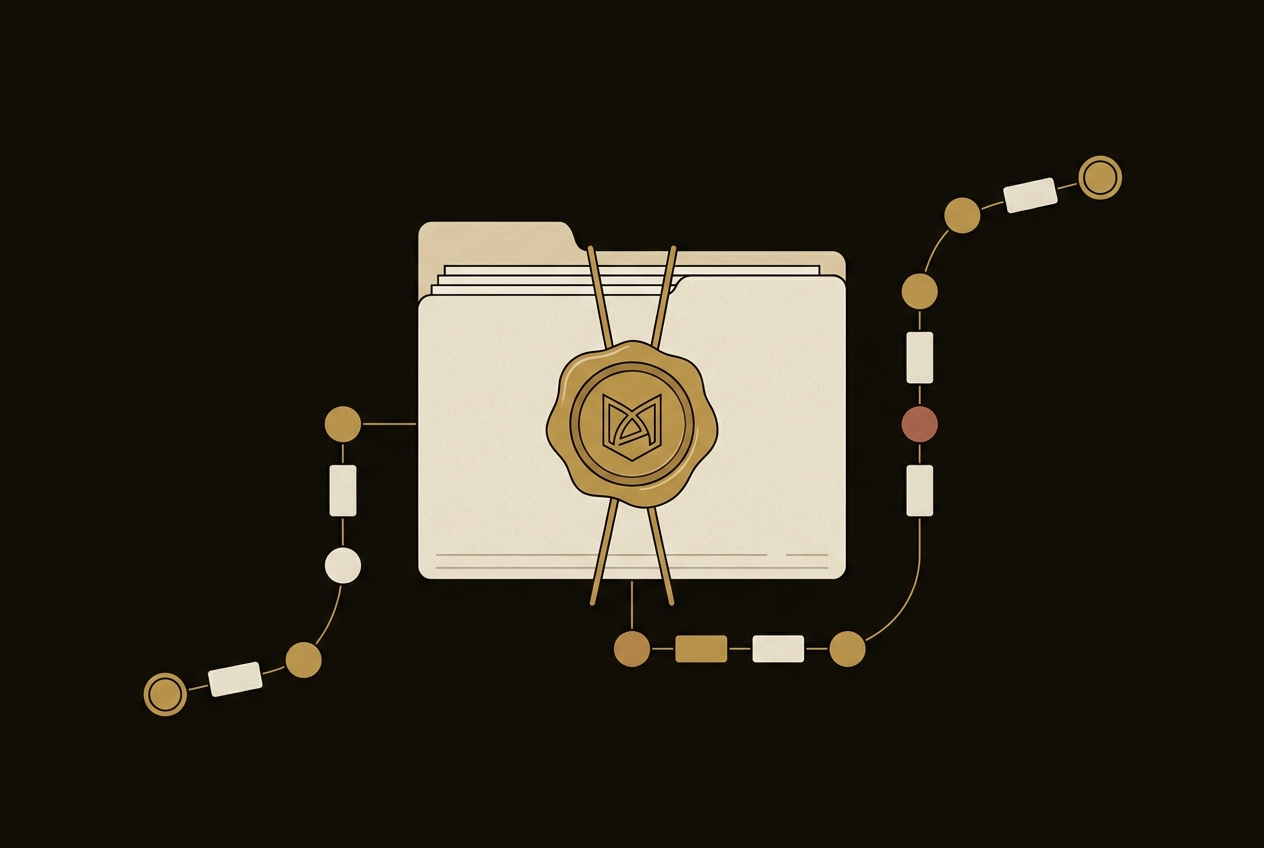
You don't own a file just because you tagged it with a digital receipt. The tech world is currently obsessed with C2PA, which stands for the Coalition for Content Provenance and Authenticity. Think of this as a digital nutrition label for your files. It’s a technical standard that records the history of a digital asset: who made it, when they made it, and what tools they used to edit it. When you hear about content credentials explained, that is what people mean. It is metadata, or data about data, that stays attached to your image, video, or text file. It claims to prove where a file came from.
The promise is simple. If you take a photo, the camera attaches a cryptographically signed record to the file. If you edit that photo in software like Photoshop, the software adds another layer to the record. Anyone who opens that file later can click a button to see the history. They can see the original raw shot and every single filter or change applied afterward. It creates a chain of custody for your digital work.
The Gap Between Provenance and Authorship
You need to understand a massive, gaping hole in this system. Knowing the history of a file isn't the same thing as proving human authorship. The United States Copyright Office has been very clear on this point. In the Zarya of the Dawn case, they ruled that while you can copyright the arrangement of images in a comic book, you can't copyright the individual images generated by AI. The Office looks for human creativity, not just a digital trail of breadcrumbs.
Content credentials track the process. They don't prove the quality or the nature of the human input. If you run a prompt through an AI generator and the software attaches a C2PA tag claiming it was "AI-generated," you haven't helped your copyright claim. You've actually just provided the Copyright Office with a signed confession that a machine did the heavy lifting. The Office currently refuses to register works created by non-humans, as seen in the Thaler v. Perlmutter case. A machine isn't an author. A label saying a machine did the work is just a label, not a creative spark.
Why Tech Giants Push This
Companies like Adobe and Microsoft love C2PA because it creates an industry standard for data. They want a world where every file carries a verifiable stamp. It makes it easier for platforms to filter content or label AI-generated images. It sounds responsible. It feels safe. But don't confuse corporate interests with your legal rights.
The standard is a tool for transparency. It isn't a legal shield. If someone steals your work, a C2PA tag might help you prove you were the first one to create the file. That helps in a courtroom. If you sue for infringement, you might be eligible for statutory damages. These are set fines between $750 and $30,000 per work, or up to $150,000 if the court finds the infringement was willful. To get those, you need a registration. The registration process costs about $65 for a single work. You have to file within a three-month window of publication to be eligible for those maximum damages. A C2PA tag is a piece of evidence, not a registration. It doesn't replace the official paperwork you file at copyright.gov.
Tamper-Evidence Versus Truth
The system uses something called tamper-evident signatures. If a bad actor modifies the file, the C2PA record breaks or shows a warning. It shows that someone messed with the file after the fact. This is good for spotting deepfakes or stolen photography. It forces people to be honest about their editing workflow.
However, it doesn't solve the problem of attribution. If a thief takes your original, unedited file and re-exports it through their own software, they might strip your credentials or replace them with their own. The C2PA record is only as good as the software that writes it and the person holding the pen. If the creator lies at the start of the chain, the entire record is a lie wrapped in fancy math. You cannot rely on a technical standard to do the work of a legal system. Provenance is just the start of the conversation.
What You Should Do Today
Don't treat these credentials as a shortcut to copyright protection. They are a way to label your work and keep track of your own edits. That is valuable for developers who want to prove their build history or artists who want to show their process. Use them for what they are: a record of action.
If you want to protect your work, you still have to follow the rules of the Copyright Office. Check their site at copyright.gov for the latest guidance on AI and authorship. They update their policies to account for new technology, and you need to keep up. A digital tag won't save you if you haven't done the actual work of registering your claim.
The takeaway is clear: provenance is not ownership. A file that tells its own story is a useful thing, but it is not a legal document. It is a technical convenience. To secure your rights, you must rely on the established system of registration rather than the metadata attached to your pixels. Use the Copyrightable hook to automate your registration process so you don't miss that three-month window for statutory damages. Read our methodology to see exactly how we bridge the gap between your digital workflow and the Copyright Office requirements.
Related reading
- How to Prove Human Authorship of AI-Assisted Work
- What "AI Authorship" Actually Means (And Why It's Contested)
- Why Detailed Prompts Still Are Not Enough
- Every AI Copyright Lawsuit Worth Knowing: The Complete Guide
Want the record behind your own work? See how the methodology scores authorship.
Want a contemporaneous record of how you authored your work?
Try it free