What the "Material Excluded" Field Actually Wants
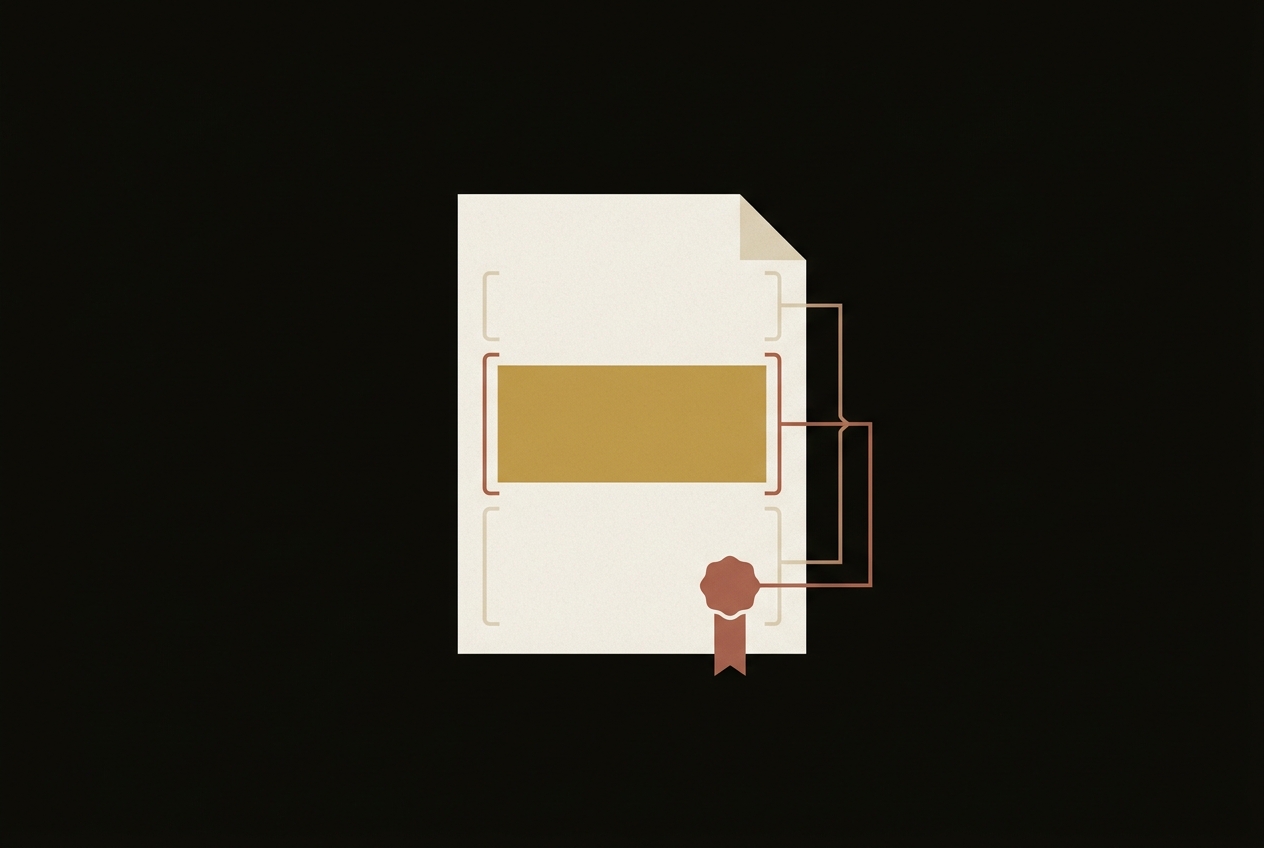
The Copyright Office just wants you to tell the truth. When you fill out an application, you see a box labeled "Material Excluded." Most people stare at it like it’s a trap. It is not a trap. It is a request for you to separate what you made from what the machine spat out. If you use AI to help you create, you have to tell the government which parts aren't yours. If you don't, you risk losing your entire registration.
The Problem with Machine-Generated Content
Copyright law protects human creativity. Period. The courts have been clear on this point. In the case of Thaler v. Perlmutter, a federal judge confirmed that human authorship is a bedrock requirement for copyright protection. If a machine creates something without a human behind the wheel, that work enters the public domain immediately. You can't own it. You can't sue someone for stealing it. You can't license it.
When you use AI tools to generate images, text, or code, the Copyright Office treats that output as non-human. This is why you need to use the "Material Excluded" field. You are telling the examiner that you acknowledge the machine's contribution and are explicitly setting it aside. You are claiming copyright only for the parts that you, a human, actually crafted.
Navigating the Material Excluded Field
The "Material Excluded" field is where you list the AI-generated elements of your work. Think of it as a disclaimer. You are essentially saying that while the whole piece looks like one unit, the specific chunks generated by an AI tool are not part of your copyright claim.
You don't need to write a legal brief here. Keep it simple. If you wrote a graphic novel and used AI to generate the background art, you state that clearly. You might write something like: "The background images were generated by AI and are excluded from this claim." If you wrote a book and used an AI to draft three of the chapters, you list those chapters specifically.
The Copyright Office is looking for transparency. They want to see that you understand the boundary between your work and the tool's work. If you try to hide the AI usage, you might get a registration today, but you are creating a liability for tomorrow. If you ever need to enforce your copyright, a defendant will dig into your process. If they find out you lied on your application, they can challenge the validity of your registration. That is a bad place to be.
Lessons from Zarya of the Dawn
Look at the case of Zarya of the Dawn. This was a comic book that used AI-generated images. The author, Kristina Kashtanova, was honest about her process. She registered the comic book as a whole, but the Office denied protection for the individual images created by Midjourney.
The Office decided that the arrangement of the images and the written text were protected because she created those parts. The images themselves, however, were not. Because she was upfront about the AI involvement, she kept the copyright for the parts she actually made. If she had tried to claim the AI images as her own work, the Office might have rejected the entire application.
This sets a standard for your own work. You want to claim the human-authored parts: the selection, the coordination, and the arrangement. You exclude the machine parts. By doing this, you keep your registration clean. You protect your human effort while acknowledging the limitations of your tools.
The Cost of Getting it Wrong
Filing for a copyright costs around $65. That is a small price to pay for legal security. However, the cost of a bad registration is much higher. If you end up in a legal fight, statutory damages can range from $750 to $30,000 per work. If the court finds you willfully infringed someone else's rights, or if you committed fraud on the Copyright Office to get your registration, those numbers can go up to $150,000.
You don't want to gamble your work on a technicality. The "Material Excluded" field is your shield. It proves you aren't trying to pull a fast one on the government. It shows that you respect the distinction between a tool and an author.
When you fill out this field, be specific. Don't just write "AI content." Write "AI-generated text in the introduction" or "AI-generated character sprites." This specificity helps the examiner understand exactly what you are claiming. It also creates a clear record. If you ever need to point to your registration as proof of ownership, that record is your best friend.
Why Your Authorship Record Matters
Your authorship record is the story of how you made your work. If you keep a log of your process, you make filling out the "Material Excluded" field a two-minute job. Track your prompts. Save your drafts. Note where the AI tool stepped in and where you took over.
When you have a clear process, you aren't guessing when you fill out your application. You know exactly what belongs to you and what belongs to the public domain. This gives you confidence. It means you can stand behind your work without worrying about what an examiner will find.
Remember that the Copyright Office position can change as technology shifts. Always check copyright.gov for the latest guidance before you submit your application. They publish circulars and updates that clarify how they view AI assistance. Don't rely on advice from three years ago. The world of AI changes fast, but the requirement for human authorship remains the anchor.
Your work is yours because you put in the time to write, code, or design it. The AI is just a tool, like a paintbrush or a word processor. Treat it like a tool. Don't let the machine claim your credit. Use the "Material Excluded" field to define your own boundaries. By being honest about the machine's role, you secure your rights to the parts that truly matter.
The takeaway is simple: tell the truth on your application to keep your copyright defensible. Check your registration against the current guidelines at copyright.gov, and if you need help keeping your authorship logs organized, look at our methodology guide to start tracking your human input today.
Related reading
- What the US Copyright Office Requires for AI-Assisted Work
- What the US Copyright Office Actually Requires for AI Work
- Why Register Your Copyright (When You Already Own It)
- Every AI Copyright Lawsuit Worth Knowing: The Complete Guide
Want the record behind your own work? See capture your authorship record from the first prompt.
Want a contemporaneous record of how you authored your work?
Try it free