The 3-Month Window That Unlocks Statutory Damages
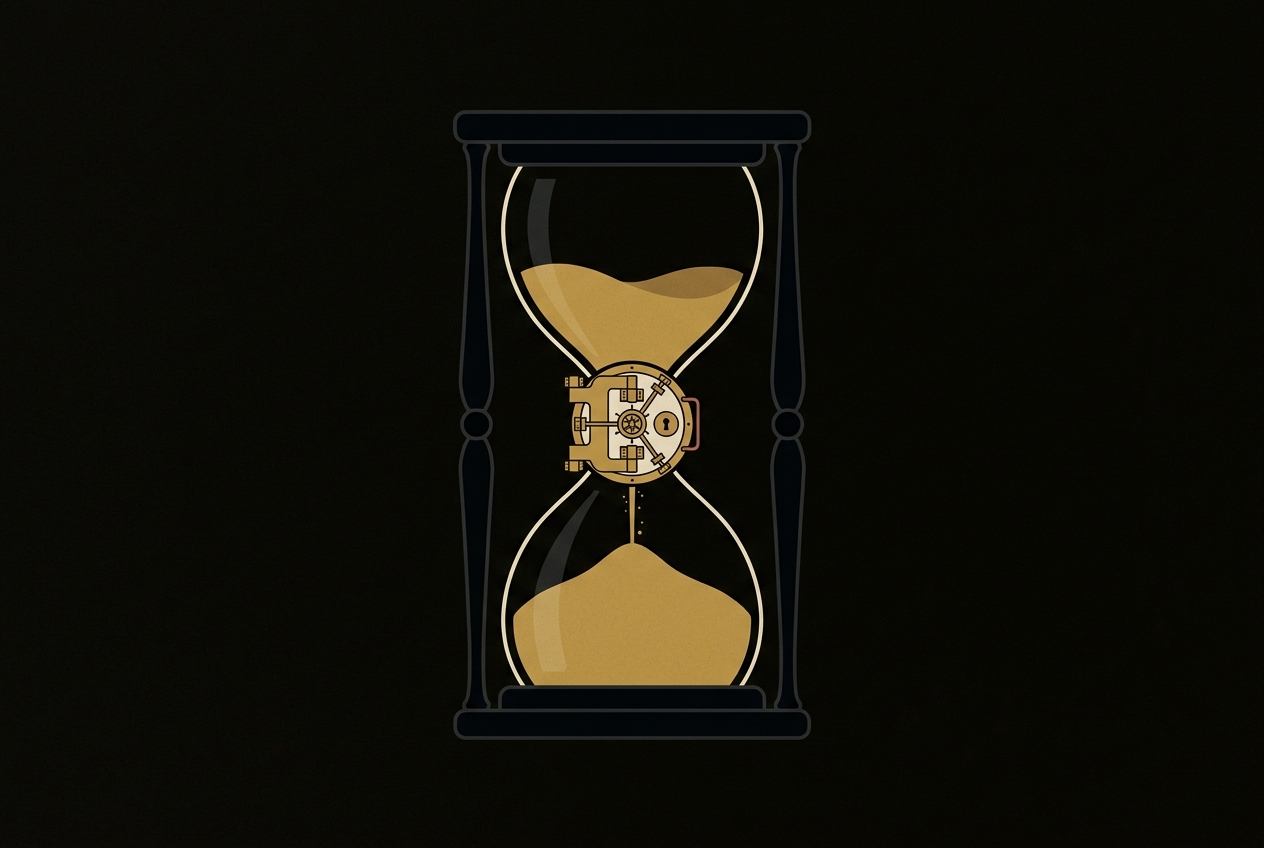
If you don't register your work with the Copyright Office, you’re basically fighting for scraps in court. Most creators think copyright protection happens the moment they hit save. You’re right, but that protection is paper-thin without a registration certificate. When someone rips off your code or copies your illustration, you’ll find out that a copyright without a registration is like a gun without bullets. You might have the weapon, but you can’t fire back.
The Money You’re Leaving on the Table
There is a massive divide between winning a lawsuit and actually getting paid. When you head to court, the most important thing isn't the strength of your argument. It’s the date on your registration certificate. If you register your work before the infringement happens, or within the three month window copyright registration provides after publication, the law treats you like a serious business owner.
If you hit that window, you become eligible for statutory damages. These are set by law, not by how much money you can prove you lost. The range is anywhere from $750 to $30,000 per work. If you can prove the other side knew they were stealing, a judge can bump that up to $150,000. Plus, the court can force the infringer to pay your attorney fees. That is the difference between a lawyer taking your case on contingency and a lawyer telling you it’s too expensive to sue.
Actual Losses Are a Trap
If you miss that three month window, your legal strategy falls apart. You’re forced to prove actual losses. This means you need receipts. You have to prove exactly how much money you lost because that specific person stole your work.
Think about how hard that is. How do you calculate the lost licensing revenue from an image someone scraped for a social media post? How do you prove a specific sale was lost because a developer copied your library? It’s nearly impossible for most independent creators. You’ll spend thousands on legal fees just to get a judgment for a few hundred dollars. The infringer knows this. They’re betting on the fact that you didn't pay the ~$65 filing fee and wait for the certificate. They know you can’t afford to fight them.
The Reality of AI and Authorship
We have to talk about how this interacts with AI. The Copyright Office has been crystal clear on this front. In the Zarya of the Dawn case, the Office refused to register the AI-generated images because they lacked human authorship. They only protected the arrangement and the text written by the human creator.
If you use AI to build your assets, you’re in a gray zone. You can only register the parts you actually created yourself. If you try to register a fully AI-generated work, you’re asking for a rejection. Even worse, if you try to sue for infringement on an AI work, you might find that you don't even own the copyright you’re trying to defend. Stephen Thaler found this out the hard way in Thaler v. Perlmutter. He tried to register a work created entirely by an AI system. The court shut him down hard. They confirmed that human authorship is a non-negotiable requirement for copyright.
Why Speed Matters
Registration isn't just a box to check. It’s a strategic move. The Copyright Office isn't known for being fast. It can take months for your application to process. You need to start the process as soon as you publish your work.
Publication is a specific term. It means you’ve distributed copies of your work to the public by sale, rental, lease, or lending. It also includes offering to distribute copies to a group of people for further distribution or public display. If you put your code on GitHub or your art on a portfolio site, you’ve likely published it. That starts your clock. You have exactly three months from that date to get your registration in if you want those statutory damages on the table.
Don't wait for a threat to register your work. If you wait until someone steals your design, it is too late. The law won't let you retroactively protect yourself for the purpose of getting those big damages. You have to be proactive. Treat the ~$65 fee as an insurance policy. It’s a small price to pay to ensure that if you ever need to go to court, you’re doing it from a position of strength.
Check Your Dates
The current Office position is clear on these requirements. You can confirm the latest guidance on what constitutes publication and how to file at copyright.gov. Never assume that your work is safe just because you created it. You own the copyright the second it’s fixed in a tangible medium, but you don't own the power to enforce it effectively until the government puts a seal on your registration.
If you don't track your publication dates, you’re flying blind. You need to know when your three month window closes for every project you ship. Take control of your intellectual property by logging your publication dates today. Read our methodology on how to audit your back catalog, or install the Copyrightable hook to automate your registration tracking so you never miss a deadline again.
Related reading
- What the US Copyright Office Requires for AI-Assisted Work
- What the US Copyright Office Actually Requires for AI Work
- Why Register Your Copyright (When You Already Own It)
- Every AI Copyright Lawsuit Worth Knowing: The Complete Guide
Want the record behind your own work? See capture your authorship record from the first prompt.
Want a contemporaneous record of how you authored your work?
Try it free